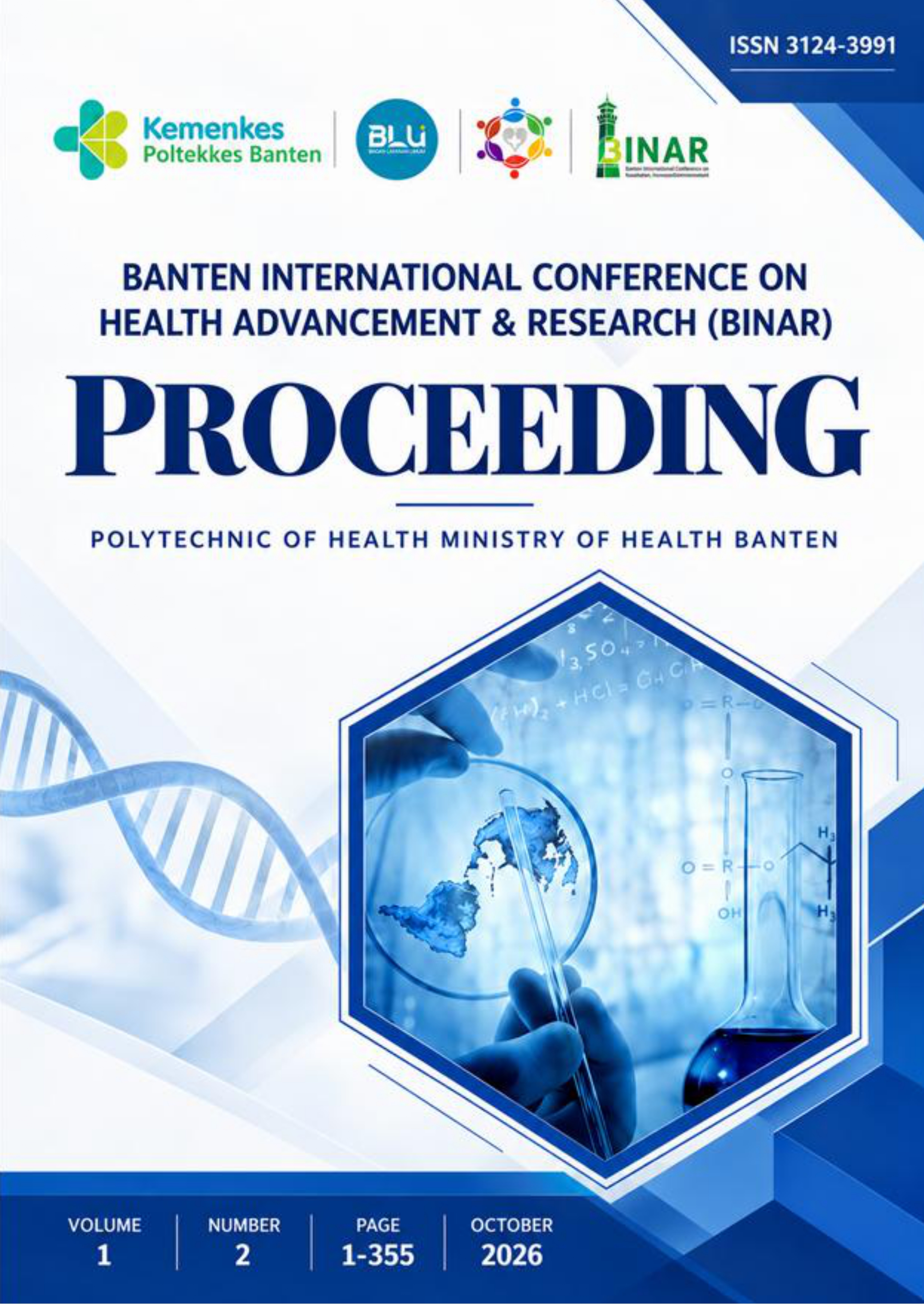
POTENTIAL OF A MODIFIED CARY-BLAIR TRANSPORT MEDIUM USING KURISI FISH (Nemipterus sp.) FOR STOOL SAMPLES FROM DIARRHEA PATIENTS
Keywords:
Diarrhea; Cary-Blair; Peptone; Kurisi Fish Waste (Nemipterus sp.)Abstract
Diarrhea is a gastrointestinal infectious disease with a high prevalence, particularly among children. Accurate diagnosis requires transporting clinical samples to the laboratory using Cary-Blair transport medium. However, this medium is generally imported and relatively expensive. This study aimed to evaluate the potential of Kurisi fish waste (Nemipterus sp.) as a source of peptone in modified Cary-Blair transport medium as a more economical alternative. The study employed a laboratory experimental design using peptone produced through enzymatic hydrolysis of Kurisi fish waste with papain. The modified Cary-Blair medium was used to store 11 clinical stool samples from pediatric patients with diarrhea and was compared with a control Cary-Blair medium. The stored samples were cultured on selective media and examined macroscopically, microscopically, and biochemically. The bacteria identified in the modified medium were Salmonella sp. (46%), Shigella sp. (18%), and Escherichia coli (36%). These findings indicate that peptone derived from Kurisi fish waste has the potential to replace sodium thioglycolate in the Cary-Blair medium, offering a more affordable transport medium alternative while supporting the utilization of fish waste.
Downloads
Published
Issue
Section
License
Copyright (c) 2026 Proceeding of Banten Internasional Conference on Health Advancement and Research

This work is licensed under a Creative Commons Attribution-NonCommercial-ShareAlike 4.0 International License.